





Hyperopia: What It Is and When to Get Your Eyes Checked
Farsightedness can make it harder to focus on close objects. It is a common refractive error, not a disease, and is usually corrected with prescription glasses or contact lenses.
Sometimes it’s there without giving many warning signs, until reading, looking at your phone, or working on screens starts to require more effort.
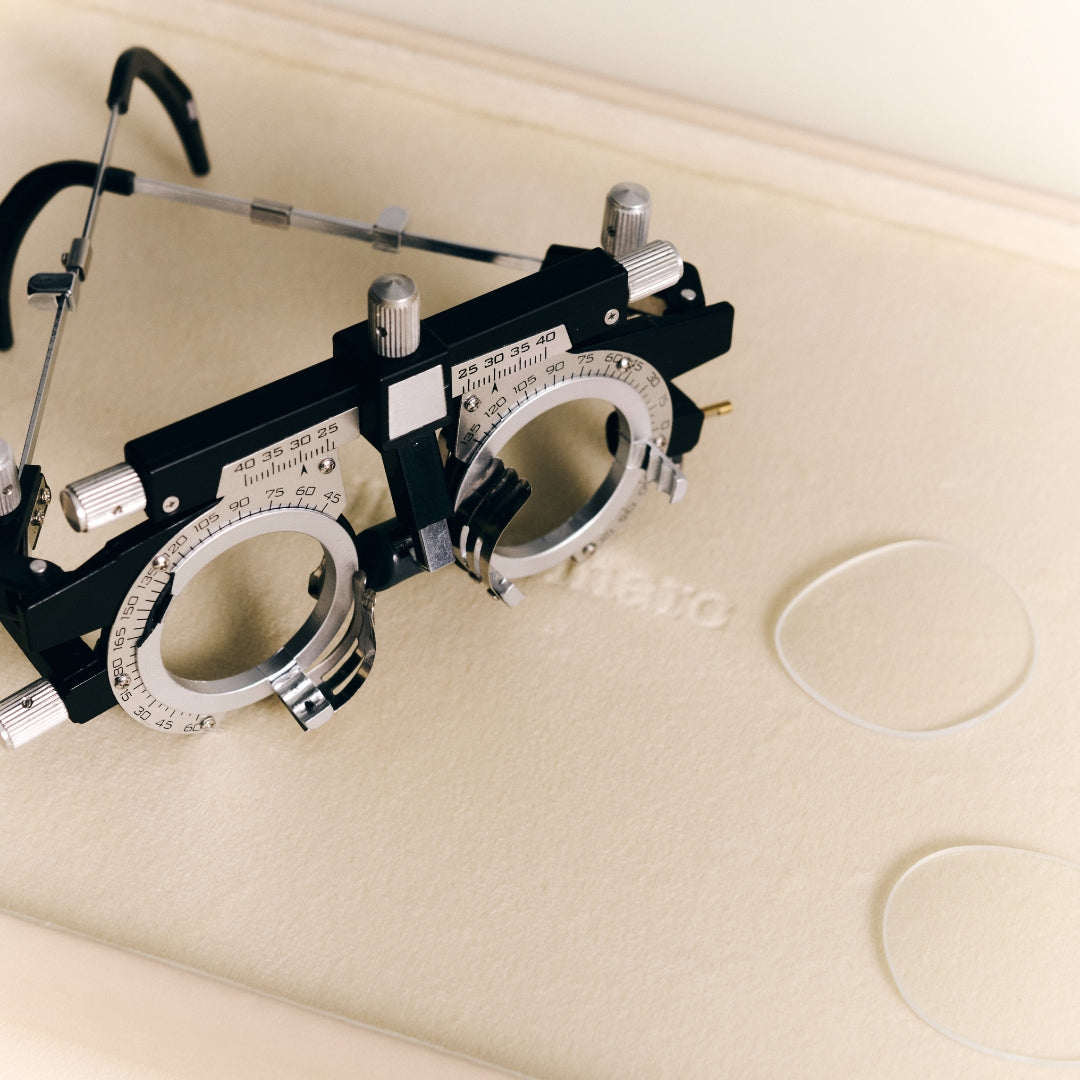
What Is Hyperopia?
Hyperopia occurs when the eye focuses an image behind the retina.
In everyday life, it’s usually most noticeable when looking at close objects. Small print may appear blurry, and maintaining focus for a while can be uncomfortable.
Distance vision may remain clear, although this depends on the prescription and the individual.
In young people, the eye usually compensates for it without it being hardly noticeable. Over the years, this effort becomes more difficult, and symptoms begin to appear.
How You Might Notice It
It’s not always a blurry image. Sometimes you’ll notice it in other ways:
· You hold your phone or the menu farther away to read better.
· Small print becomes blurry.
· You have trouble keeping your eyes focused for a while.
· You end the day with eye strain or a headache.
· Your eyes feel irritated after reading or working on screens.
These signs may also have other causes. An eye exam can help determine what’s going on.
At any of our Miller & Marc optical stores, you can have your prescription checked by a licensed optometrist.

How It Differs from Other Vision Problems
Hyperopia primarily affects near vision.
Myopia usually makes it difficult to see things at a distance. Astigmatism can cause images to appear blurry at various distances. Presbyopia also affects near vision, but it develops over time.
Hyperopia and presbyopia are similar. They are not the same thing. And they can occur together.
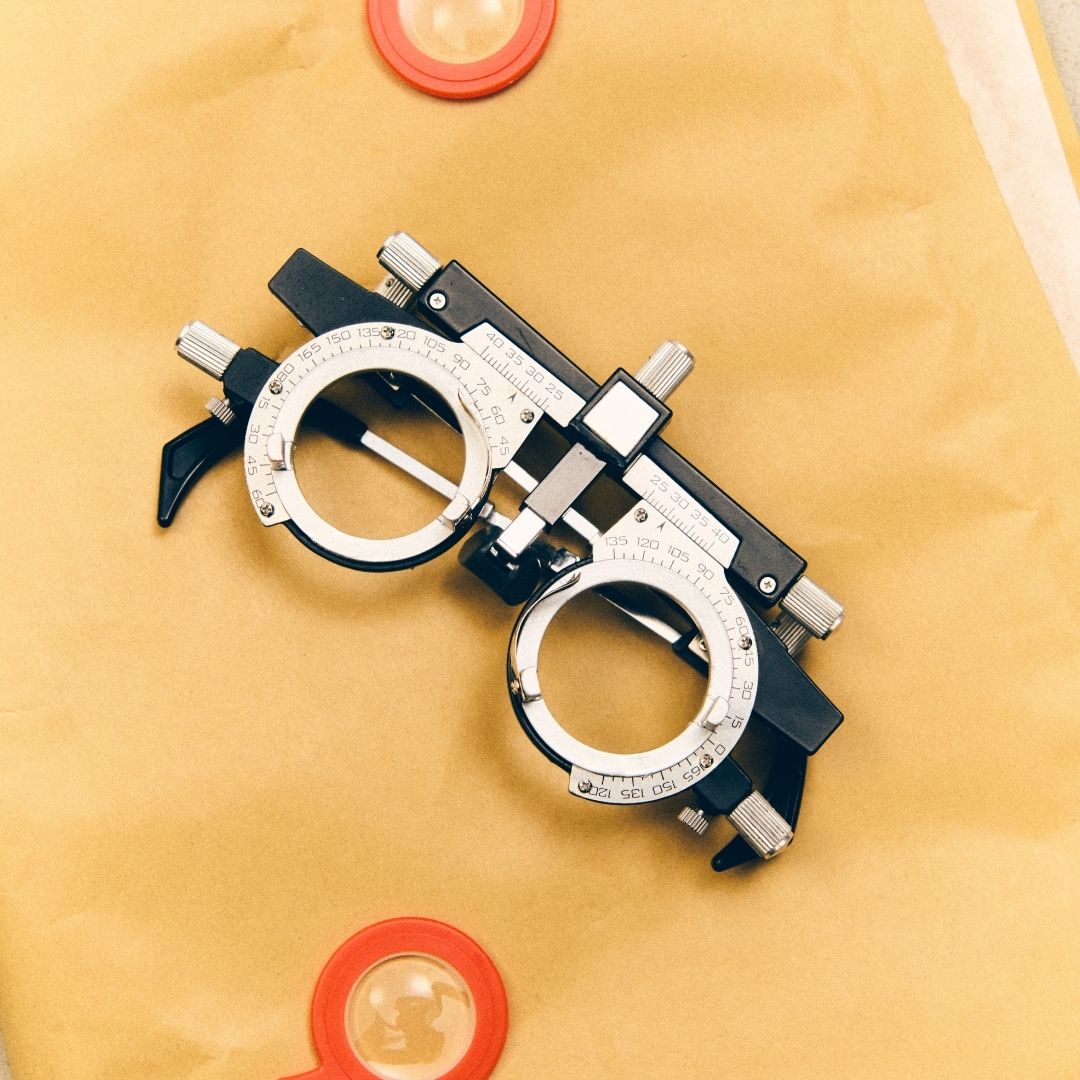
Cómo revisamos la hipermetropía en tienda
Primero revisamos cómo ves de lejos y de cerca.
El examen visual es gratuito, sin compromiso y lo realiza un optometrista colegiado. También comprobamos si hay presbicia o astigmatismo.
Después te explicamos el resultado y las opciones que encajan contigo: gafas graduadas, lentillas o lentes progresivas cuando hace falta corregir varias distancias.
Puede que necesites cambiar de graduación. Puede que no.
Lo vemos juntos.
Frequently Asked Questions
Can hyperopia be cured?
Hyperopia does not go away with the use of glasses or contact lenses, but it can be corrected with either. Refractive surgery may be an option in some cases and should be evaluated by a healthcare professional.
How is hyperopia corrected?
It is usually corrected with prescription glasses or contact lenses. If you also have presbyopia, progressive or multifocal lenses may be an option. The right choice depends on your prescription and how well you see at different distances.
Can hyperopia develop with age?
It may have been present from the beginning but not become noticeable until later.
In young people, the eye usually compensates for it by making an effort to focus. Over the years, that ability decreases, and the symptoms become more noticeable.
Is hyperopia hereditary?
Genetics can play a role. Having relatives with farsightedness increases the likelihood of developing it, although it is not the only related factor.
What is the difference between hyperopia and presbyopia?
Both can make it difficult to see up close, but they do not occur for the same reason.
Hyperopia is a refractive error that can occur at any age. Presbyopia develops over time, as the eye loses its ability to focus on close objects.
Can I wear contact lenses if I have hyperopia?
Yes. Contact lenses can correct farsightedness and, in some cases, combine multiple corrections.
First, you need to have your prescription checked, have your eye condition evaluated, and determine which type of lens is right for you. At Miller & Marc, we fit contact lenses by appointment.
