





Adaptación a lentillas: primera vez y proceso
Empezar a usar lentillas lleva algo de práctica. Antes revisamos tu vista y comprobamos qué tipo encaja contigo. Después, en la cita de adaptación, aprendes a ponerlas, quitarlas y cuidarlas con calma.
No hace falta llegar sabiendo.
Antes de empezar
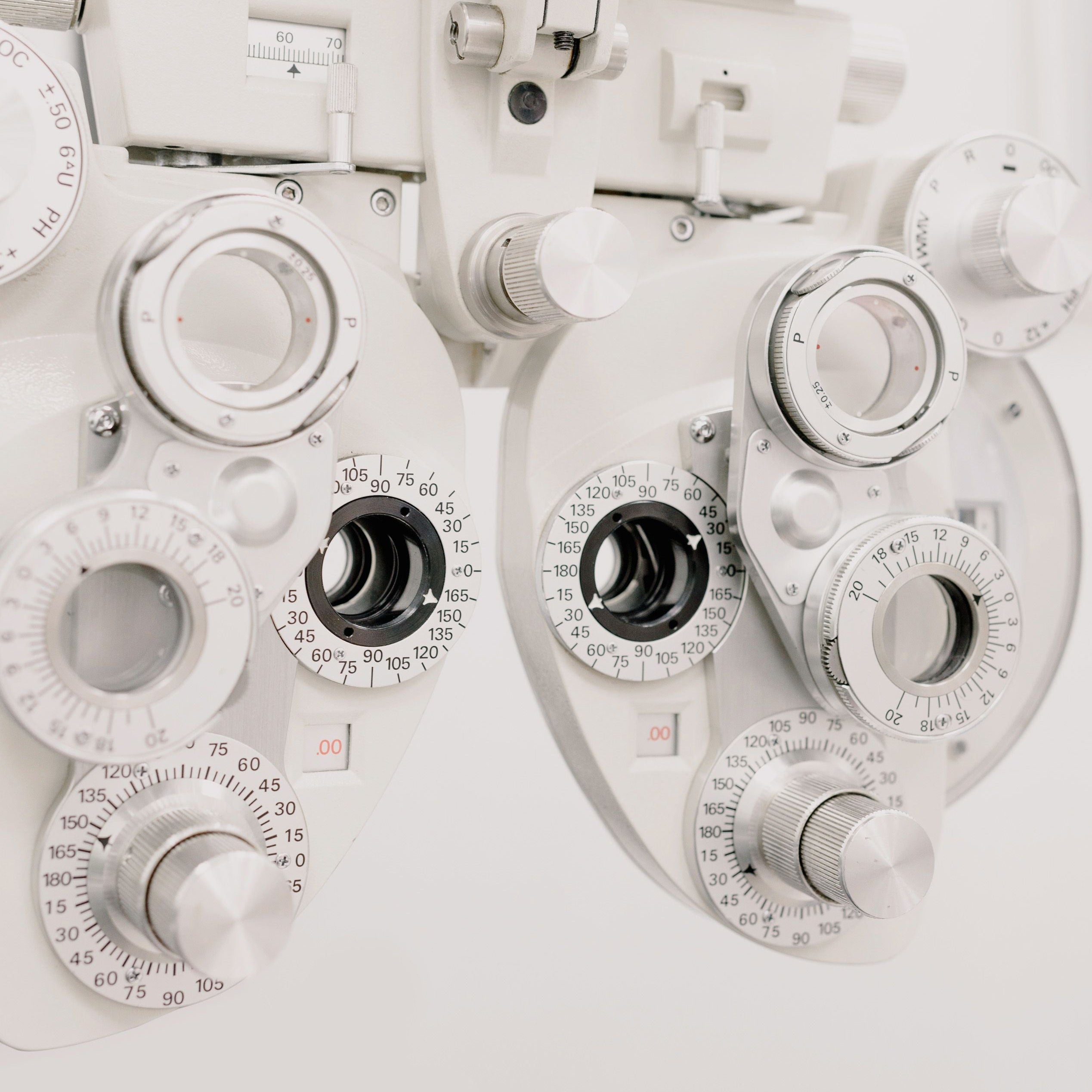
Elegir lentillas no depende solo de la graduación. También cuenta cómo se ajustan al ojo, el uso que vas a darles y cómo son tus días.
Por eso empezamos con un examen visual. Un optometrista colegiado revisa tu vista y valora qué lentilla puede encajar mejor contigo.
Esta guía sirve para saber qué esperar. La elección se confirma en tienda.
Qué revisamos antes de las lentillas
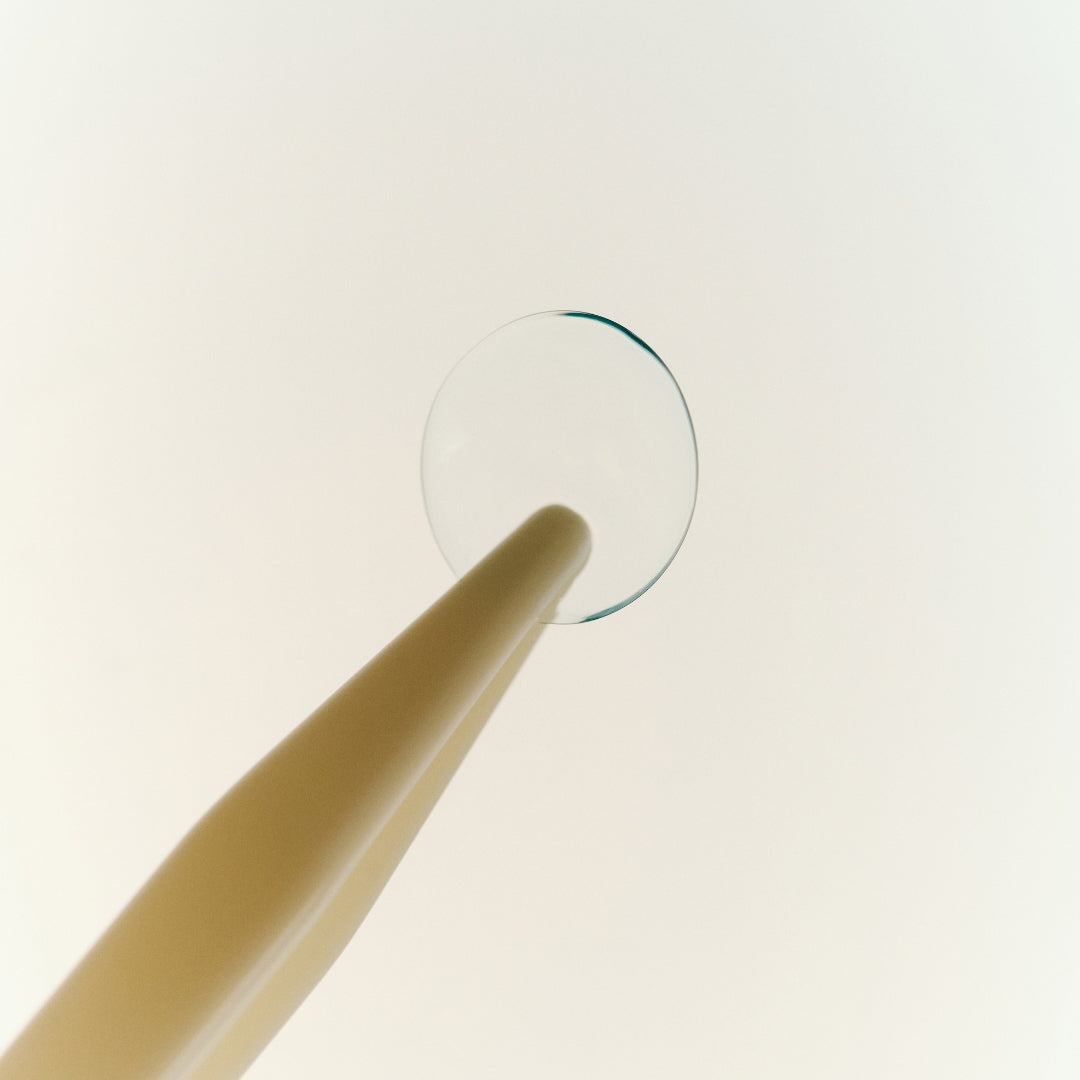
Antes de recomendarte un tipo, comprobamos:
- · La graduación que necesita cada ojo.
- · La forma y la curvatura del ojo.
- · Cómo se adapta la lentilla.
- · Si el ojo mantiene una hidratación adecuada.
- · El uso que quieres darles.
Con esa información elegimos contigo el tipo de lentilla: diaria o mensual, y con la corrección que necesites.
Cómo es la cita de adaptación
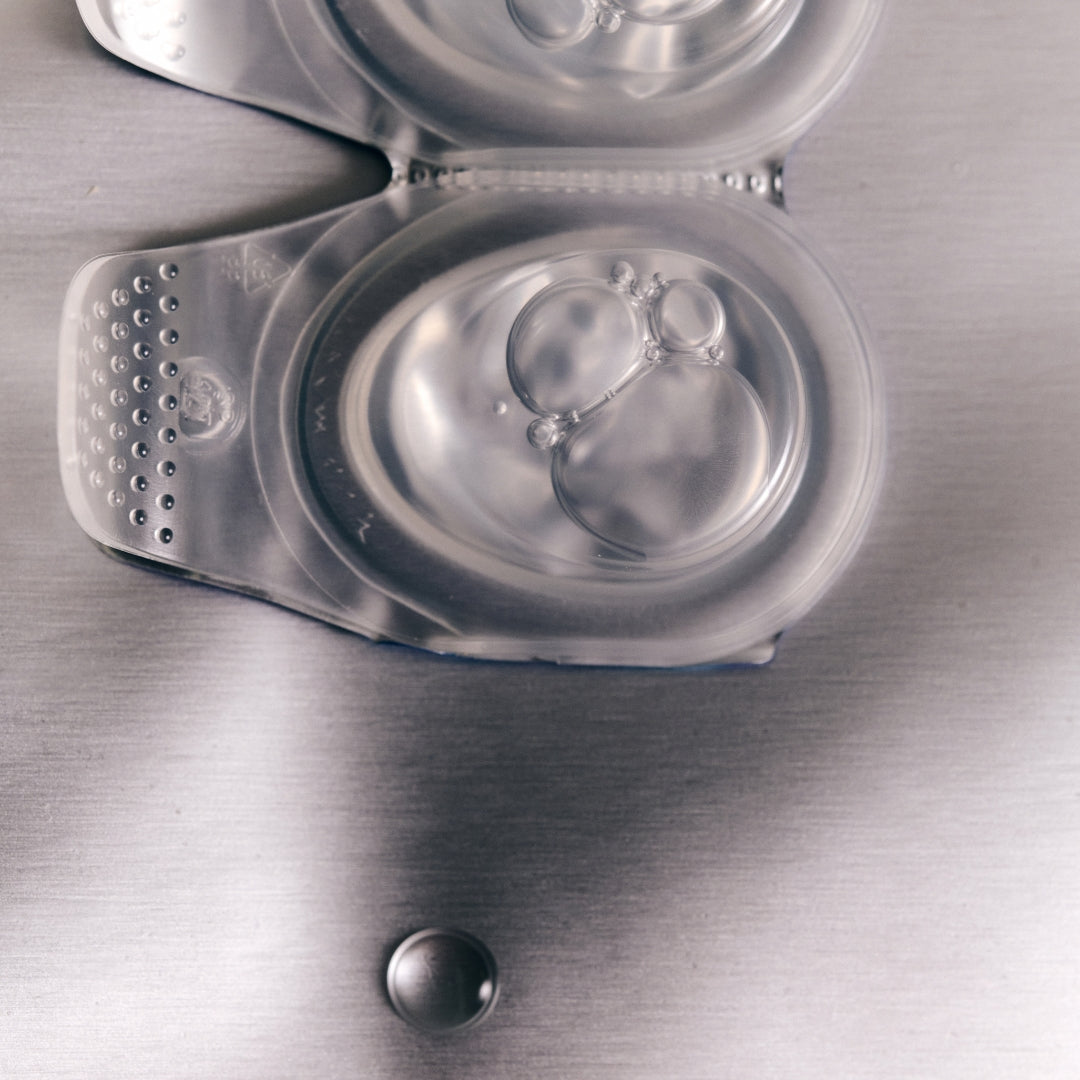
La adaptación es el momento de probar las lentillas y aprender a manejarlas.
Un optometrista colegiado te acompaña para que practiques:
- · Cómo ponerlas y quitarlas.
- · Cómo saber si están bien colocadas.
- · Cómo limpiarlas y guardarlas cuando lo necesitan.
- · Qué hacer si notas alguna molestia.
La primera vez puede llevar algo más de tiempo. Es normal.
Practicamos contigo hasta que puedas hacerlo con tranquilidad. Sin prisas y sin tener que acertar a la primera.

Qué esperar los primeros días
Al principio puedes notar que llevas lentillas o tardar algo más en colocarlas. Con la práctica, el gesto suele hacerse más sencillo.
También puede aparecer algo de sequedad al final del día. Si ocurre, conviene revisar cuánto tiempo las llevas, cómo las cuidas y si ese modelo sigue encajando contigo.
El dolor, el enrojecimiento intenso o una visión borrosa que no mejora no deberían normalizarse. Retira las lentillas y pide una revisión.
Cuándo volver a tienda
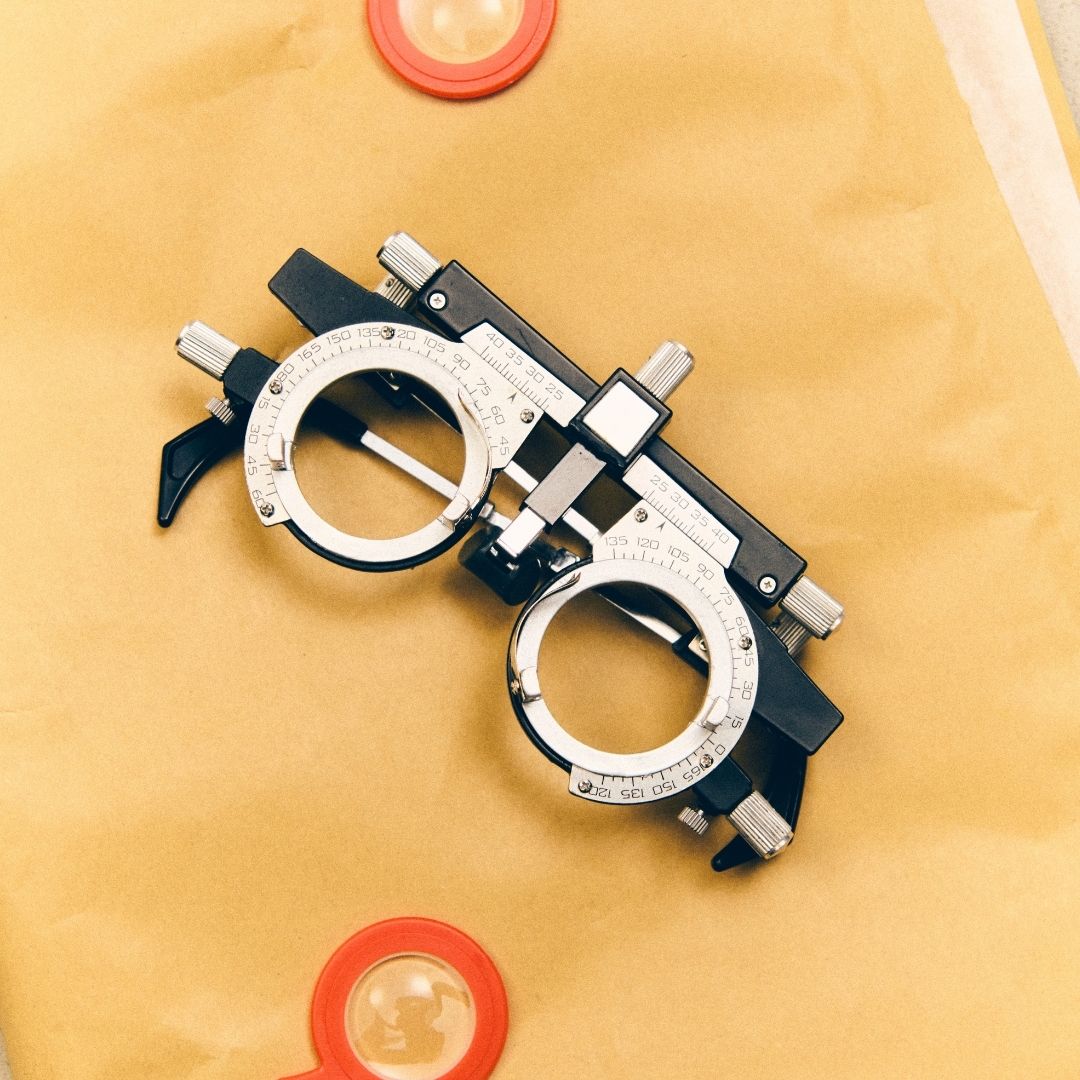
Si todo va bien, revisamos la adaptación con la frecuencia que recomiende el optometrista.
También conviene volver si:
- · La visión ha cambiado.
- · Las lentillas empiezan a resultar incómodas.
- · Quieres probar otro formato.
- · Has cambiado tu forma de usarlas.
- · Tienes dudas sobre su cuidado.
No tienes que resolverlo por tu cuenta. Lo vemos juntos.
Preguntas frecuentes sobre la adaptación a lentillas
¿Duele poner lentillas la primera vez?
No debería doler. Al principio puede notarse una sensación distinta, sobre todo si no estás acostumbrado a acercarte al ojo.
Si notas dolor, quemazón o una molestia intensa, retira la lentilla. En la cita practicamos contigo con calma.
¿Cuánto tarda la adaptación a las lentillas?
Depende de cada persona y del tipo de lentilla.
Algunas personas se sienten cómodas desde el primer día. Otras necesitan varios usos para acostumbrarse a la sensación y coger práctica al ponerlas y quitarlas.
¿Puedo dormir con lentillas nuevas?
En general, no. La mayoría de las lentillas deben retirarse antes de dormir.
Existen modelos pensados para otros usos, pero solo deben utilizarse con indicación profesional.
¿Qué hago si no consigo ponérmelas?
Es habitual al empezar. En la cita de adaptación practicamos contigo hasta que entiendas el gesto y puedas repetirlo con calma.
Si después siguen las dudas, vuelve a consultarnos.
¿Todo el mundo puede usar lentillas?
No siempre. La graduación, el estado del ojo y la comodidad durante la prueba determinan si encajan contigo.
Por eso las probamos y revisamos antes de dar la adaptación por terminada.
