





Lentillas o gafas: qué encaja mejor
No hay una opción mejor para todo.
Las gafas encajan en algunos momentos. Las lentillas, en otros. Y muchas personas usan las dos.
La decisión no va de elegir bando. Va de entender qué necesitas.
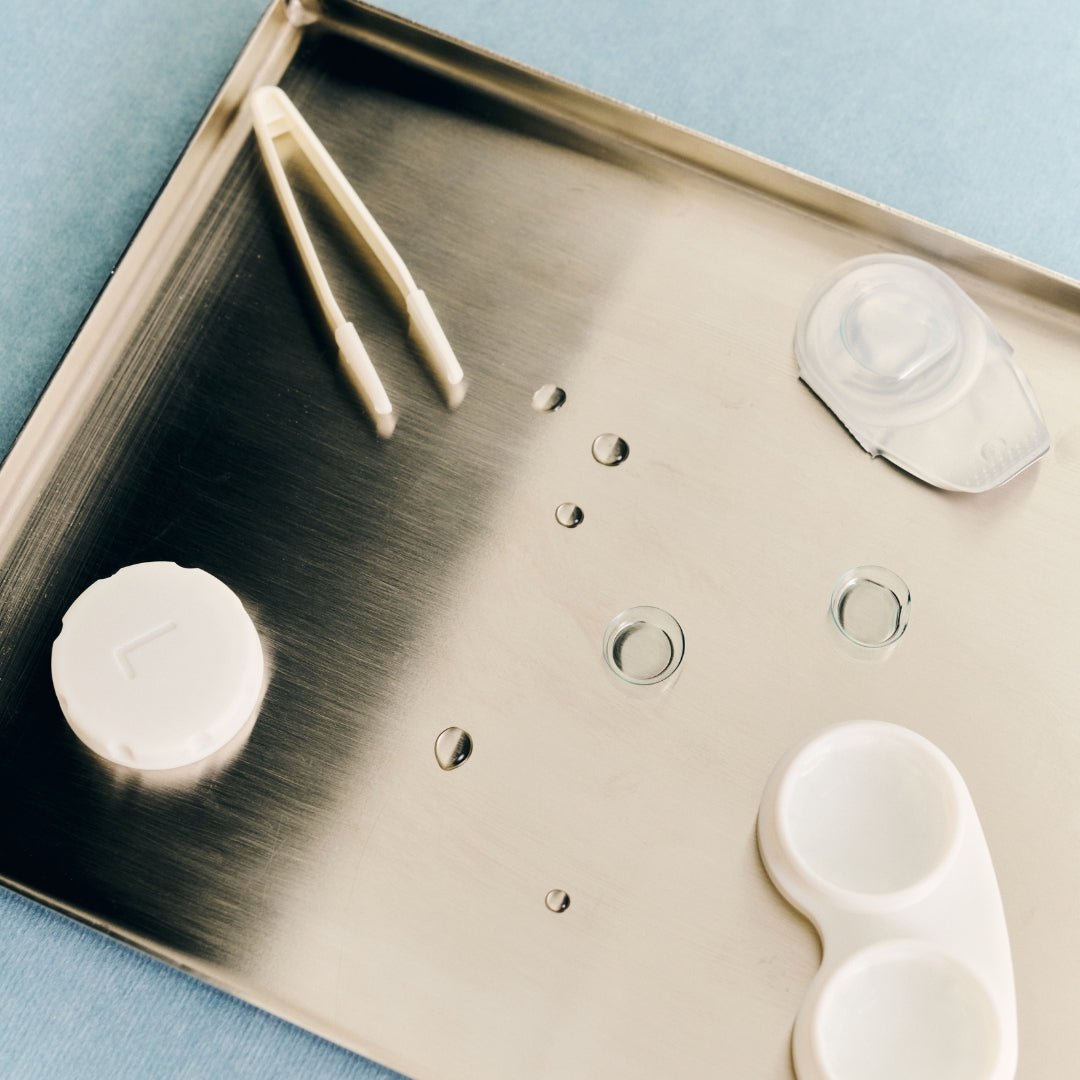
Antes de decidir
Importan tu graduación, cómo responden tus ojos y cómo son tus días.
Puede que prefieras las gafas para trabajar y las lentillas para hacer deporte. O que alternes según el momento.
No hace falta decidir para siempre.
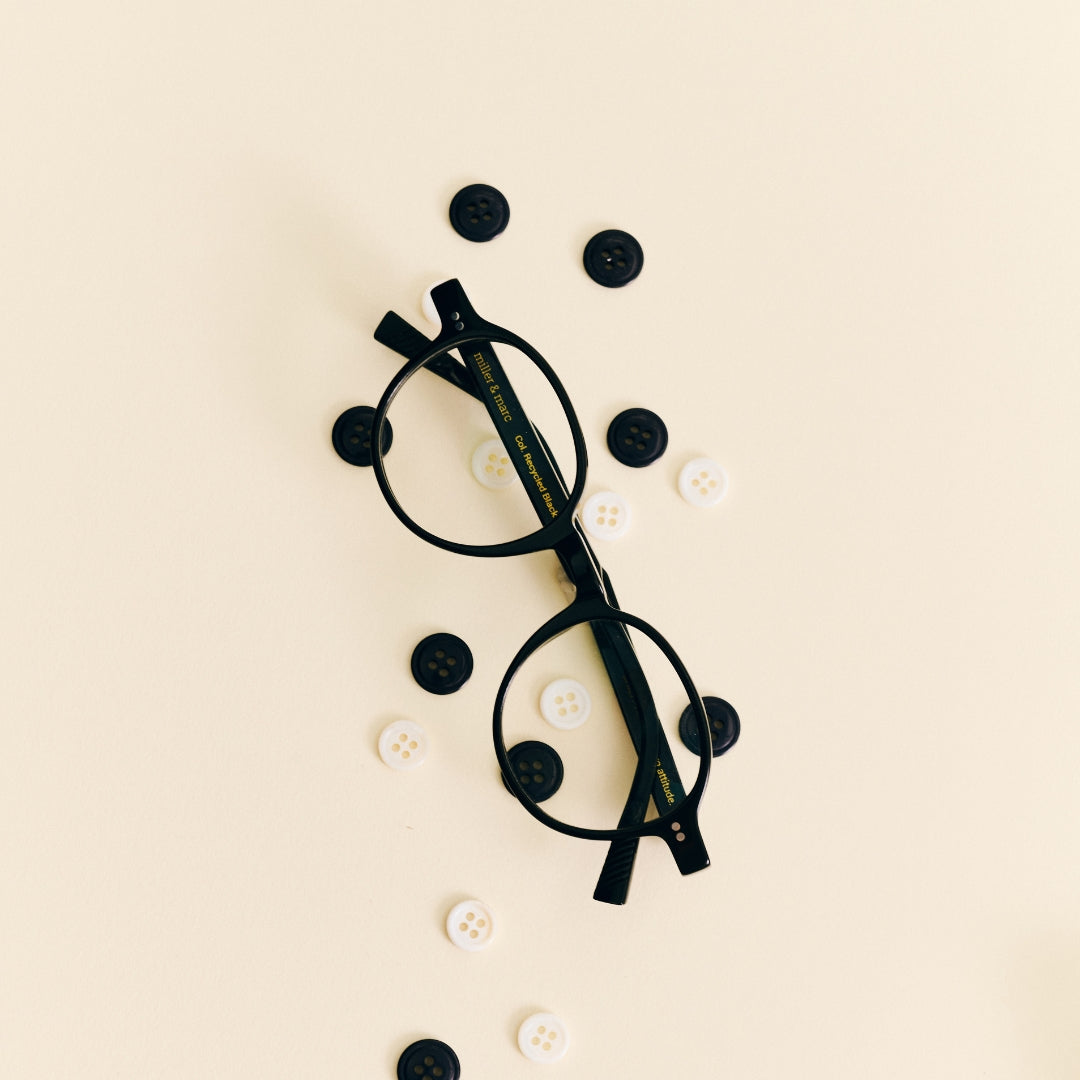
Cuándo suelen encajar las gafas
Las gafas graduadas suelen encajar cuando:
- · Buscas una rutina sencilla.
- · Prefieres no tocar el ojo.
- · Quieres ponértelas y quitártelas en un gesto.
- · Te gusta verte con montura.
Piden poco mantenimiento. A cambio, la montura está presente en el campo de visión y en cómo te ves.

Cuándo suelen encajar las lentillas
Las lentillas suelen encajar cuando:
- · Haces deporte o te mueves mucho.
- · Prefieres no llevar montura.
- · Buscas una visión sin marco.
- · Quieres combinarlas con tus gafas.
Necesitan más rutina: ponerlas, quitarlas y respetar sus cuidados.
La comodidad depende del tipo de lentilla, de la adaptación y de cómo responden tus ojos.
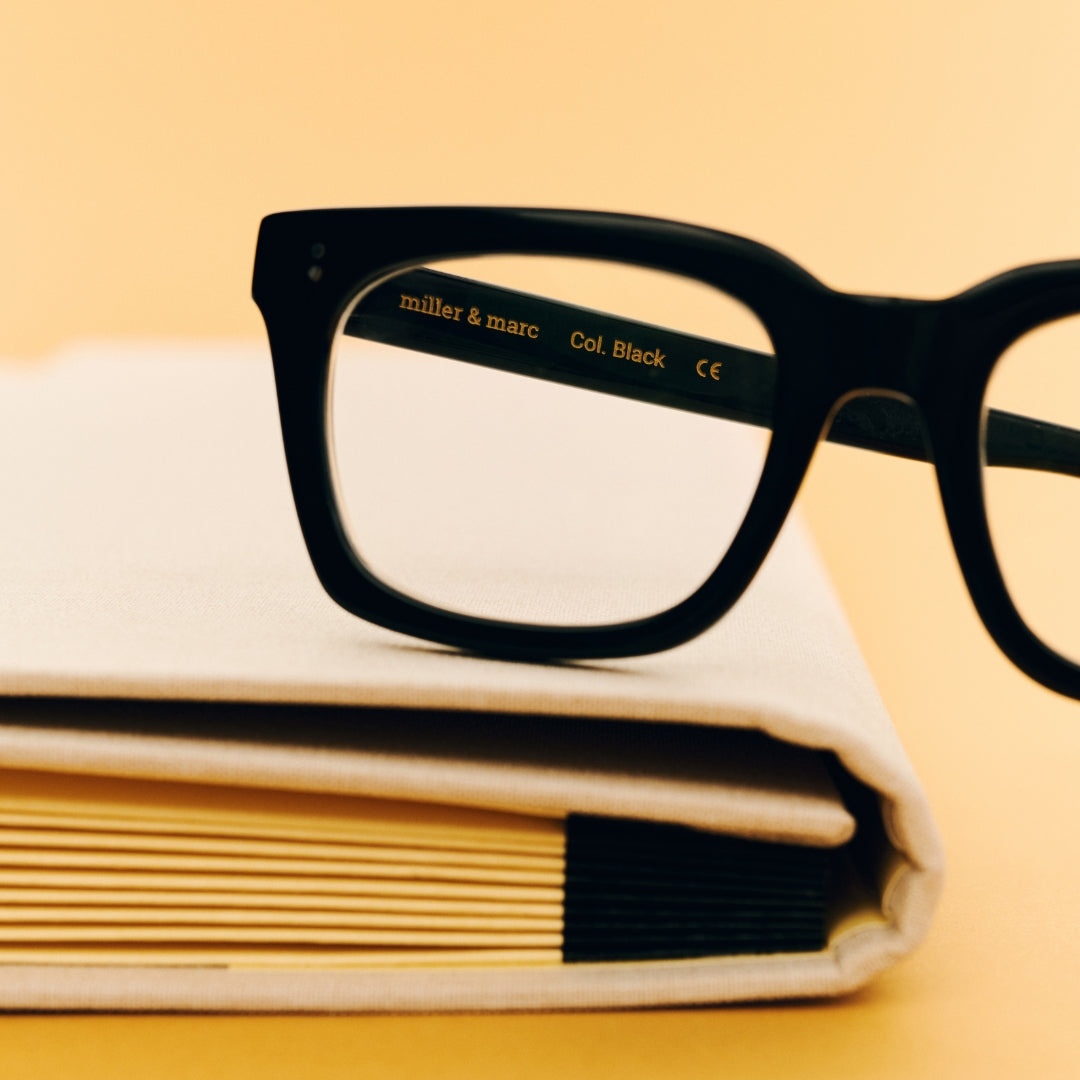
Comodidad y campo visual
Las gafas son directas: te las pones y ves.
Las lentillas se mueven con el ojo y dejan libre la visión lateral. En deporte o con graduaciones altas, esa diferencia puede notarse.
Pero ninguna opción es cómoda por definición.
Una gafa mal ajustada puede molestar. Una lentilla que no encaja bien, también.
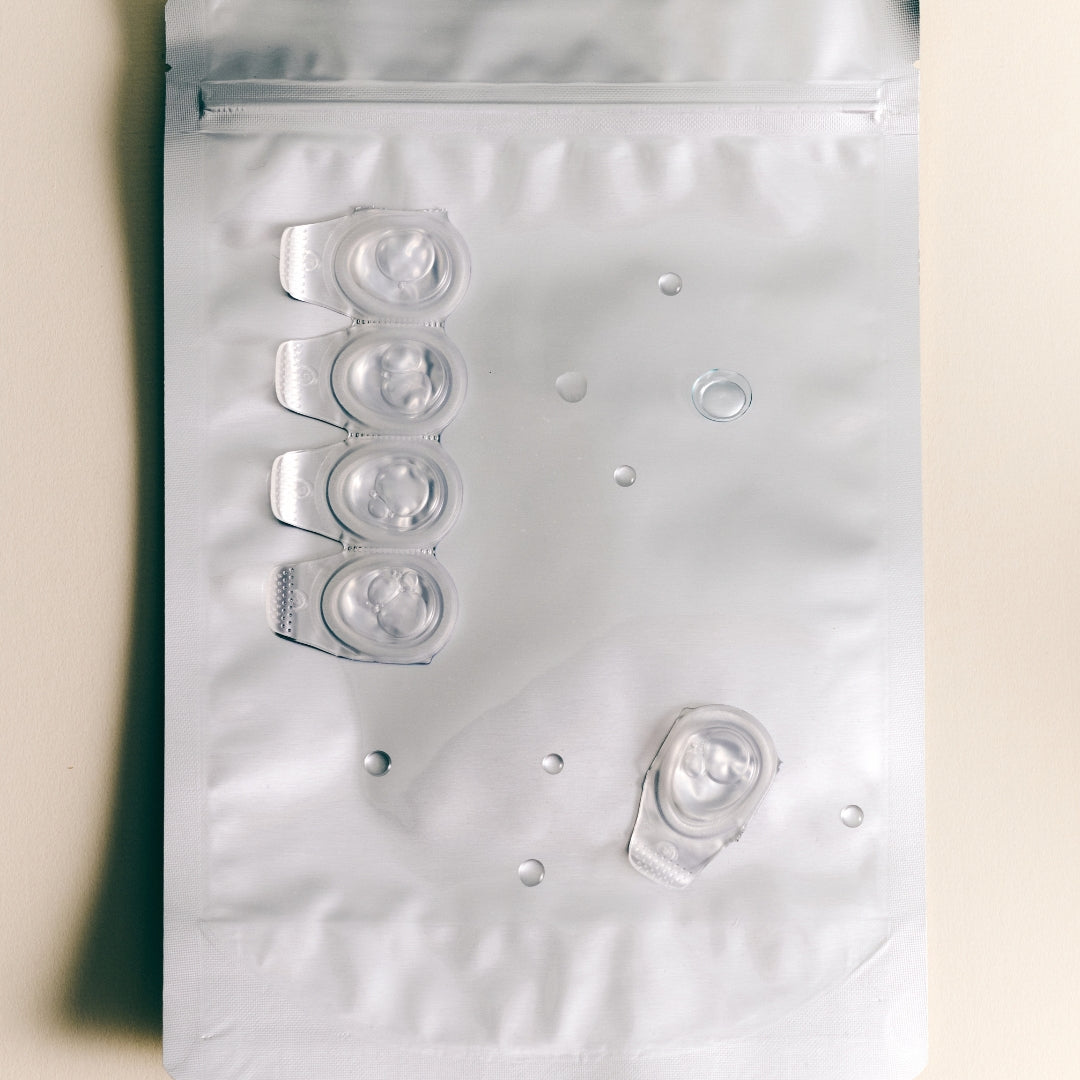
Mantenimiento y coste
Las gafas concentran buena parte del coste en la compra y pueden durar años si la graduación sigue siendo adecuada.
Las lentillas tienen un coste continuado. Las diarias se cambian con cada uso. Las mensuales necesitan solución, estuche y mantenimiento.
No hay una opción más económica en todos los casos. Depende de cuánto las uses y de qué elijas.

Según el momento
Para deporte
Las lentillas suelen dar más libertad de movimiento y evitan que la montura se desplace.
Para pantallas
Las gafas pueden resultar prácticas en jornadas largas. Con lentillas, el entorno y el tiempo de uso pueden cambiar la comodidad.
Para viajar
Alternar suele ser lo más práctico. Las diarias pueden encajar en días concretos y las gafas siempre conviene tenerlas a mano.
Para verte como quieres
Las gafas forman parte de la cara. Las lentillas dejan la montura fuera.
Puedes preferir una opción hoy y otra mañana.
Cómo lo decidimos contigo
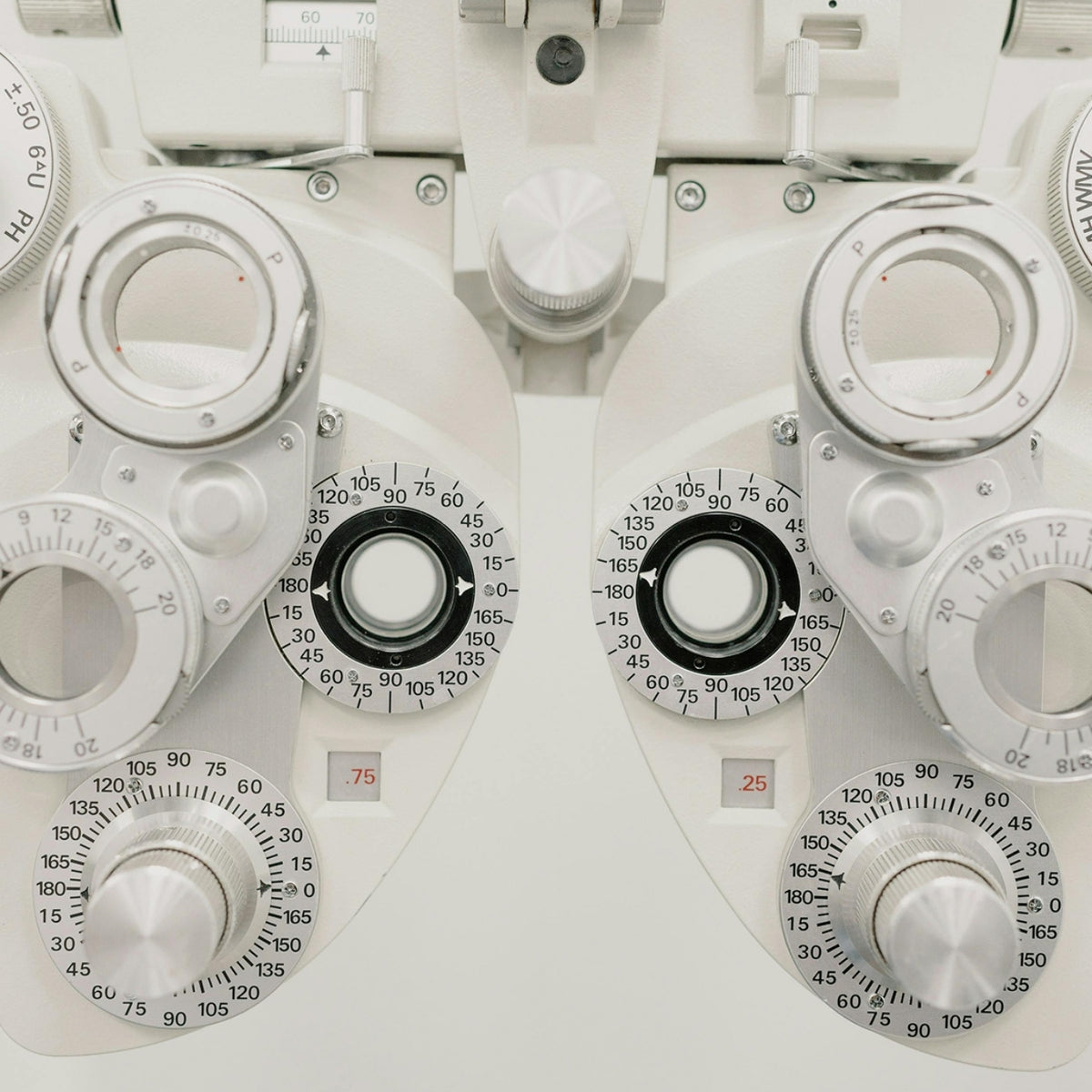
En Miller & Marc, un optometrista colegiado revisa tu graduación, cómo responden tus ojos y el uso que quieres dar a cada opción.
Después valoramos qué encaja: gafas, lentillas o las dos.
No tienes que traer la respuesta.
Lo vemos juntos.
Preguntas frecuentes sobre lentillas o gafas
¿Qué es mejor, lentillas o gafas?
Depende de para qué las quieras.
Las gafas piden menos rutina. Las lentillas pueden dar más libertad. Muchas personas usan ambas.
¿Puedo alternar lentillas y gafas?
Sí.
Puedes usar gafas a diario y lentillas para deporte, viajes o días concretos. Las lentillas necesitan su propia adaptación.
¿Son más cómodas las lentillas?
No siempre.
Cuando están bien adaptadas pueden resultar muy cómodas. Las gafas también, si la montura ajusta bien.
¿Qué dura más?
Las gafas pueden durar años si se conservan bien y la graduación no cambia.
Las lentillas se sustituyen según su tipo. Son productos con lógicas distintas.
¿Puedo usar solo lentillas?
Puede ser una opción, pero conviene tener unas gafas actualizadas.
Hay días en los que puede ser mejor quitarse las lentillas o no llevarlas.
