





Symptoms of presbyopia
Presbyopia, or age-related farsightedness, doesn't manifest in just one way. It appears with age and shows up in small everyday signs: your eyes tire more quickly, you need more light to read, and the glasses you used to wear are no longer sufficient. Symptoms usually start between 40 and 45 years of age and gradually intensify. If you recognize yourself in several of these, an eye exam will clarify what's happening.
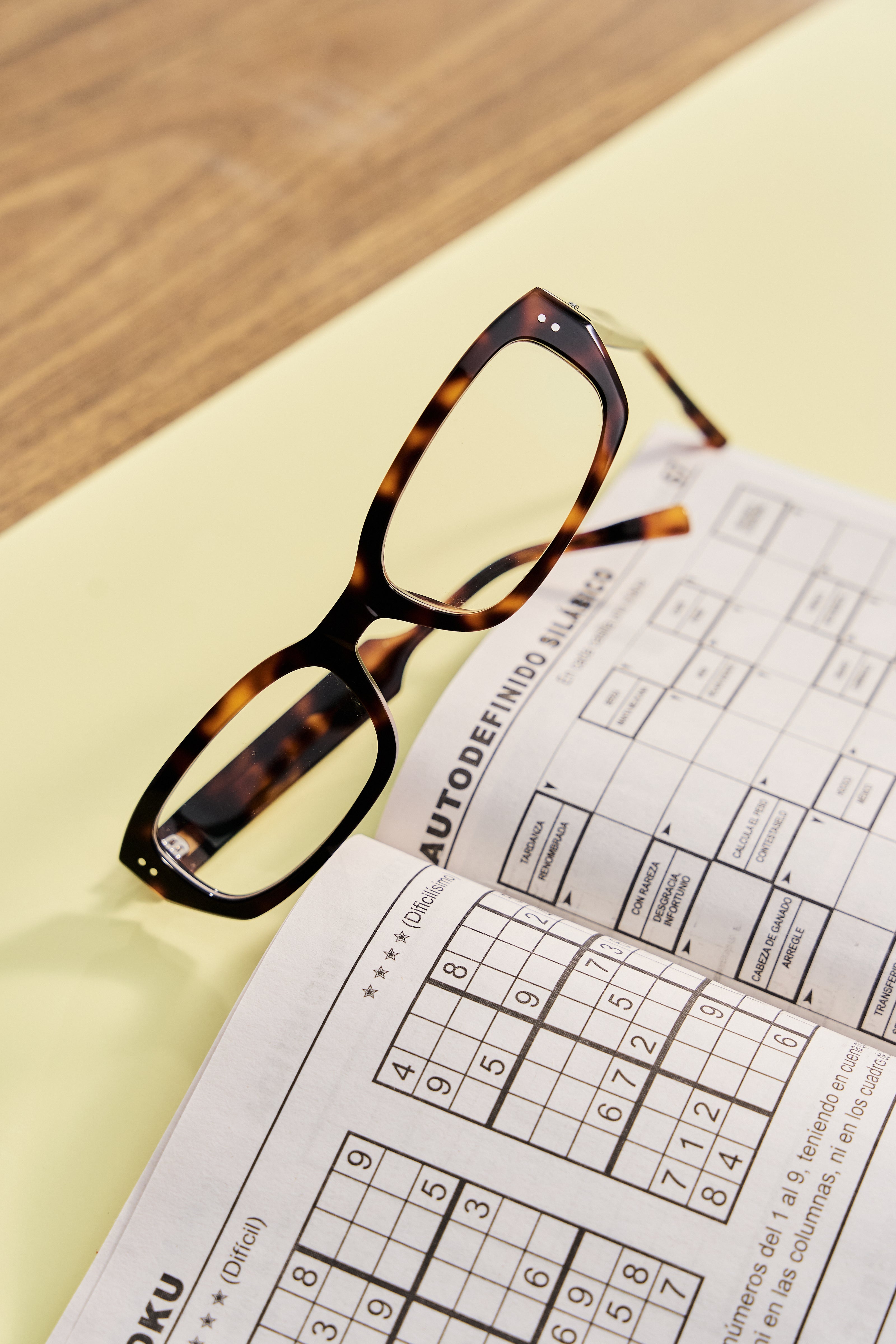
How to Recognize Presbyopia
Presbyopia develops gradually, and the initial changes may go unnoticed. These are the most common signs:
Presbyopia develops gradually, and the initial changes may go unnoticed. These are the most common signs:
- 1. You extend your arm to read. There comes a point where you need more distance between yourself and what's in front of you.
- 2. You notice the change especially at the end of the day. Presbyopia is more noticeable when the eyes have been working for hours. You might see well in the morning but not so well in the evening.
- 3. Your eyes tire more quickly. Reading or working with screens feels more difficult at the end of the day, especially if the light is poor.
- 4. You need more light to see up close. What you used to read effortlessly now requires a lamp or moving to a better-lit room.
- 5. Headache at the end of the day. Due to the continuous effort to focus, especially after many hours of reading or working at the computer.
- 6. Backlighting bothers you when reading. The sudden change in light makes the difficulty of focusing more apparent.
- 7. Your usual prescription is no longer sufficient for close vision. If you already had myopia, astigmatism, or hyperopia, you might now notice that the glasses you used no longer help with near vision.
- 8. If you had myopia, you take off your glasses to read. You reach a point where, paradoxically, you see nearby objects better without glasses. This is presbyopia partially compensating for myopia.
Any of these symptoms, by itself, can have other explanations. If several appear and you are over 40 years old, it is usually presbyopia.
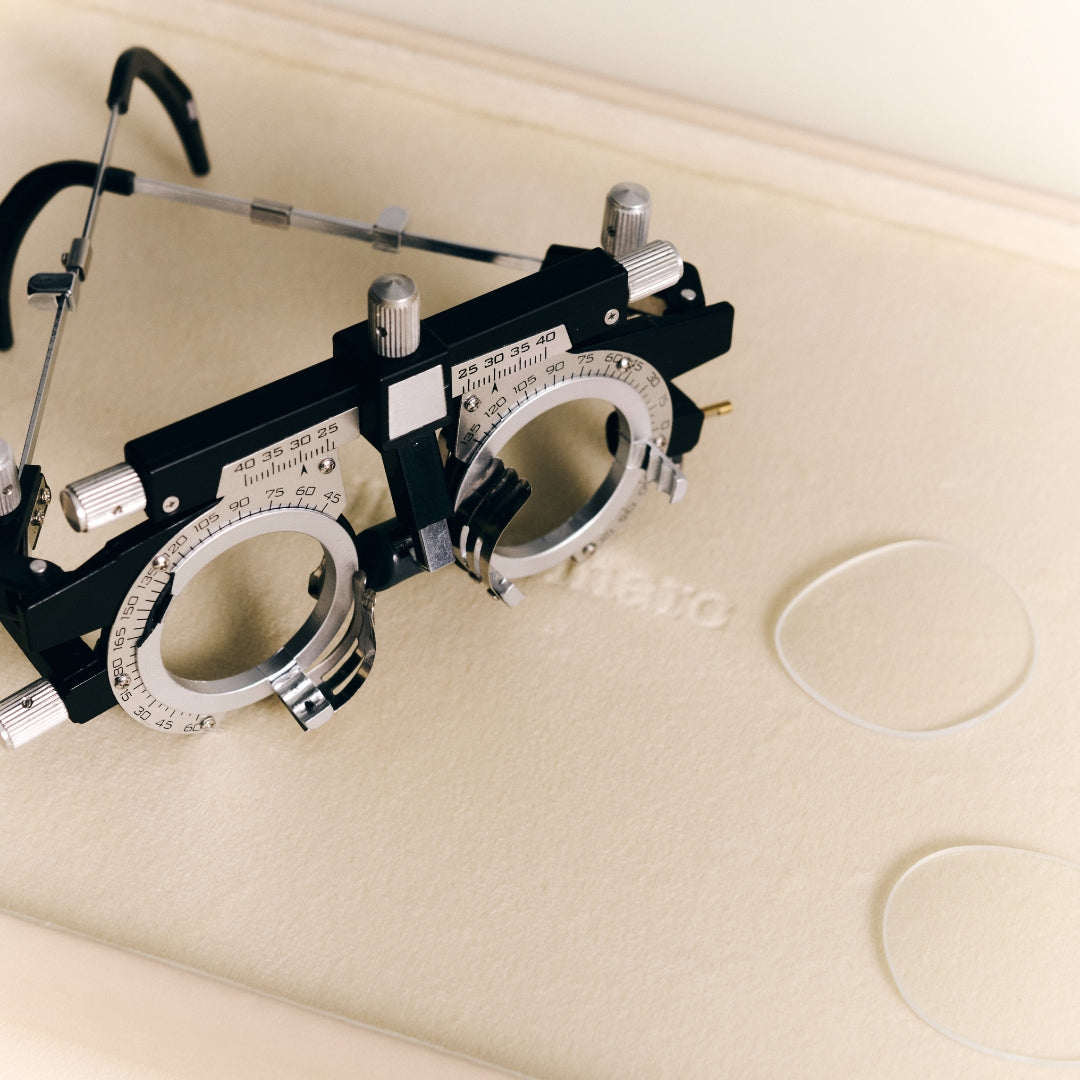
When to have your eyes checked
From the age of 40, an eye exam every one or two years is advisable, even without clear symptoms. If you recognize yourself in several of the above points, do not wait until the difficulty is evident: presbyopia advances gradually and a correct prescription prevents continuous visual effort.
At Miller & Marc, eye exams are free and with no obligation to purchase. They are carried out by a registered optometrist at any of our opticians.
How to confirm if you have presbyopia
If you've recognized yourself in several symptoms, here are two ways to proceed.
Learn how we work in consultation and what the eye exam includes.
The most commonly used optical solution for presbyopia.
Frequent questions
How do I know if I need reading glasses?
If you have trouble focusing up close, extend your arm to read, or notice that you need more light, it's a good idea to get your eyes checked. It doesn't always mean presbyopia: it could be eye strain, undiagnosed hyperopia, or other reasons. A review confirms this.
Is it normal to have blurry vision up close at 40?
Yes, it's the most common scenario. Presbyopia usually becomes noticeable between the ages of 40 and 45. Difficulty focusing up close at that age is expected, but it's advisable to confirm it and rule out other causes.
Could presbyopia symptoms be something else?
Yes, some coincide with digital eye strain (temporary fatigue from screens), uncorrected hyperopia, or accommodation problems. The difference is marked by a visual examination: it identifies what is happening exactly and allows for an appropriate solution.
